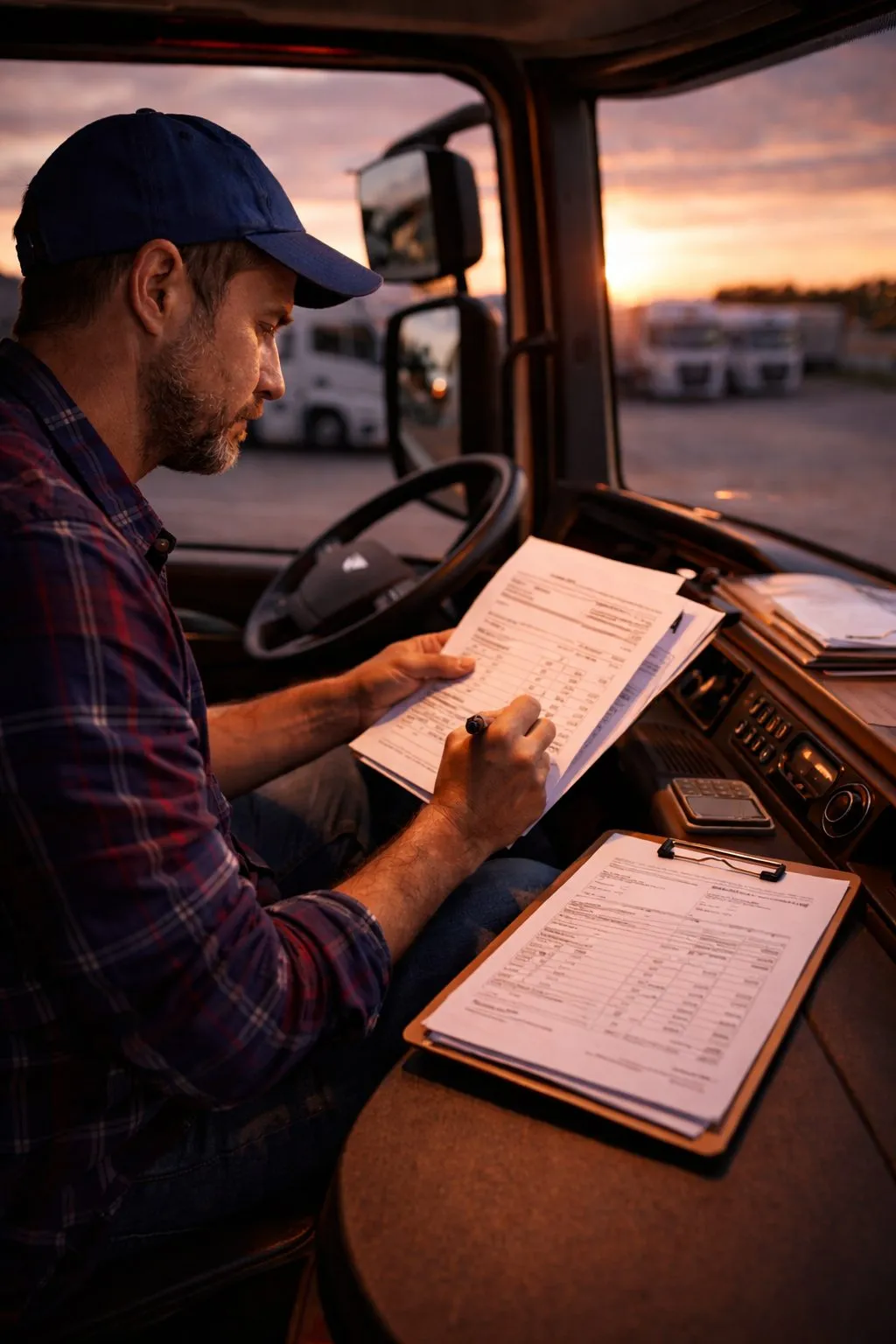
Manual invoicing is transport's most frustrating administrative task. You enter the same data twice, wait for paper waybills and send invoices days after delivery. It doesn't have to be that way.
What does manual invoicing cost you?
You feel it in three places directly:
Time: A haulier with 50-100 orders per week typically spends 4-8 hours on invoicing. That is time not spent on operations, customers or drivers.
Errors: Wrong amounts, missing surcharges, incorrect references. Every error creates a credit note — and credit notes take time and delay payment further.
Late payment: An invoice sent 10 days late means 10 extra days of waiting. With 30-day payment terms, the customer effectively pays after 40 days. That affects your cash flow.
From order to invoice: how it should work
The ideal invoicing process in transport is automatic and integrated:
- The order is created in DORA with customer, service and price according to the applicable price agreement.
- The driver carries out the transport and confirms delivery digitally via the app.
- The order is marked as completed and ready for invoicing.
- The invoice is generated — either automatically daily or with one click at the end of the period.
- The invoice is sent to the customer and transferred automatically to the accounting system.
No manual data transfer. No re-entry. Invoicing can happen the same day as delivery — and the money reaches your account faster.
Integration with accounting systems
DORA integrates with e-conomic, Business Central, PowerOffice Go, Tripletex and other widely used accounting systems. Invoice data is transferred automatically — no manual entry. Price agreements, road tolls and surcharges are included automatically based on the agreed terms.
Consolidated invoicing: invoice an entire period with one click
For customers with many orders over a period, it is impractical to send one invoice per trip. A consolidated invoice gathers all orders for a given period — a week or a month — in one invoice.
In DORA this is set up per customer: choose the invoicing period and the system automatically gathers all approved orders at the end of the period. One click, and you have invoiced an entire month's driving — complete with order lines, price agreements and attached documentation.
Invoicing should take minutes, not hours. With automation, you free up time for what actually drives your business forward.
What DORA does differently
Invoicing is an integrated part of DORA — not an extra module. Data from orders, driver confirmations and price agreements flows directly into invoicing without manual effort.
The driver confirms delivery via tablet at the customer. The order is marked completed. The price is calculated automatically based on the applicable price agreement. The dispatcher approves and the invoice is ready. All from the same system.
Frequently asked questions
Which accounting systems does DORA integrate with?
DORA integrates with e-conomic, Business Central, PowerOffice Go, Tripletex and can work with other systems via API or export formats. Contact us for your specific setup. We continuously expand based on customer needs.
Can I send consolidated invoices?
Yes. DORA supports consolidated invoicing per customer with configurable invoicing periods — weekly, monthly or custom. All orders are gathered automatically, and the invoice is created with one click. Price agreements and surcharges are included automatically.
What about credit notes and claims?
Credit notes are created directly in DORA and transferred to the accounting system. Orders can be reopened, corrected and re-invoiced without starting over in another system.